


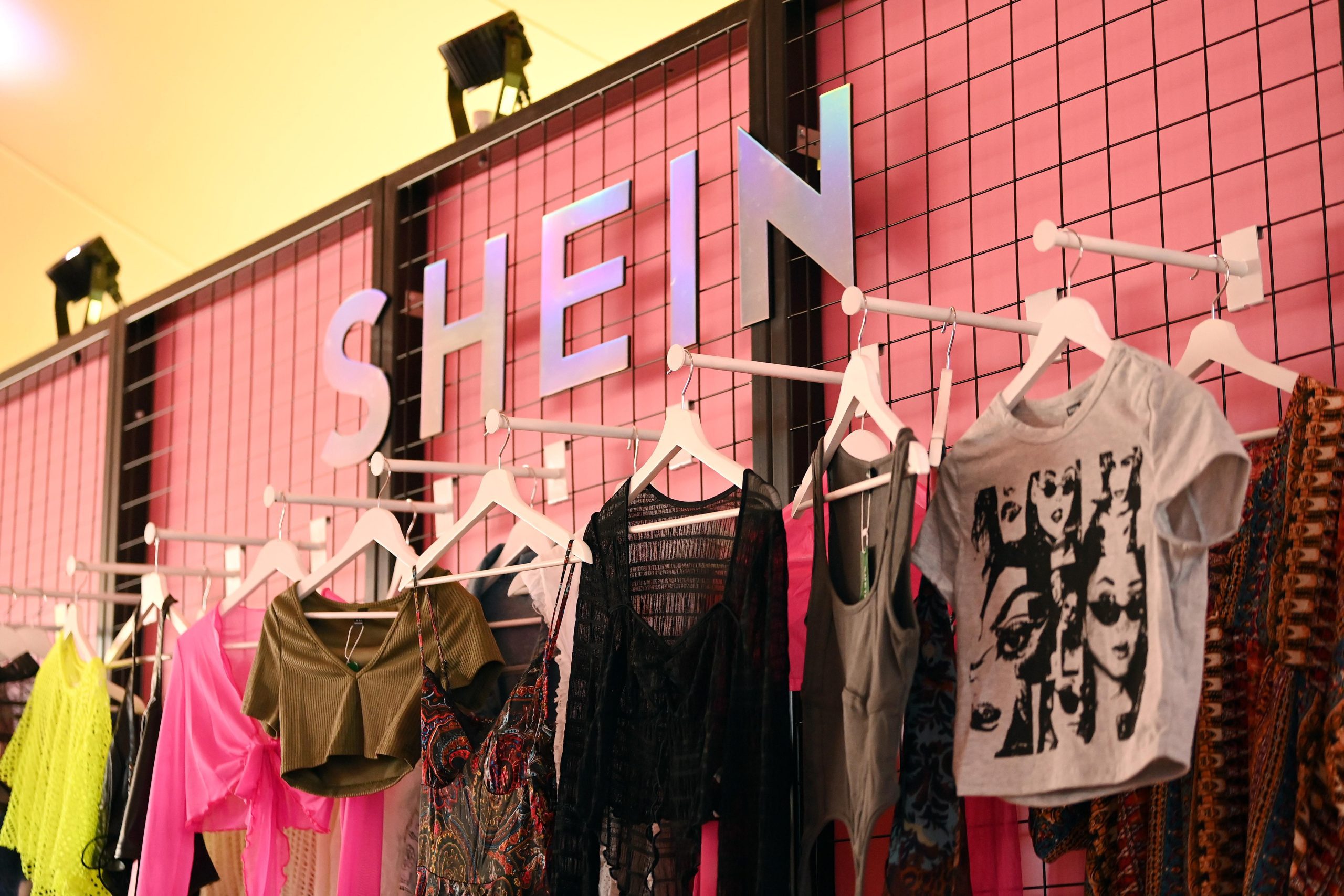
Fast-fashion giant Shein faces mounting investigations and regulatory measures across Europe and the US, as customs loopholes are removed and allegations regarding illegal products intensify. Although its business model remains highly efficient, regulatory pressure increases amid plans for a potential public listing in Hong Kong or London.
A symbolic episode occurred at Paris Charles de Gaulle airport, where French authorities inspected around 300,000 parcels sent by Shein, containing about half a million items. Roughly a quarter were found in breach of French or EU standards. “Pour mettre fin à un système qui est clairement non conforme à nos normes et à nos lois fiscales, nous avons besoin de preuves,” said budget minister Amélie de Montchalin.
EU investigations and fiscal pressure
Read also: Trendyol opens Greece and Bulgaria to thousands of Romanian merchants
The European Commission has launched an investigation into the potential sale of illegal products, the transparency of recommendation algorithms and the app’s “addictive” nature. If found non-compliant, Shein could face a fine of up to 6% of global revenue, or more than $2 billion, based on 2024 figures.
At the same time, both the EU and the US are removing low-value parcel exemptions. The EU introduced a €3 fee for products under €150, while the US eliminated the de minimis exemption for Chinese imports. Former president Donald Trump described the system as “a big scam against our country.”
With revenues of approximately $38 billion in 2024, Shein told the FT: “We take our obligations under the Digital Services Act seriously and have always fully cooperated with the European Commission.”
Its business model, built on small-batch production and a network of about 7,000 contracted manufacturers, keeps costs low and delivery times short. However, analysts warn that regulatory pressure could force major adjustments. “The investigation is not only about certain products sold by Shein, but also about the company’s business model,” said Sheng Lu, professor at the University of Delaware.
Photo: Slate

 UK
UK
 IT
IT
 ES
ES
 DE
DE
 FR
FR
 RO
RO
 PT
PT
 HU
HU


