


Education in Romania faces a major gap between business performance and the reality of schools, especially in rural areas. The BookLand Campus introduces an innovative dual education model that combines theory with practice and provides free access to quality education, helping develop real-world skills and reduce social inequalities.
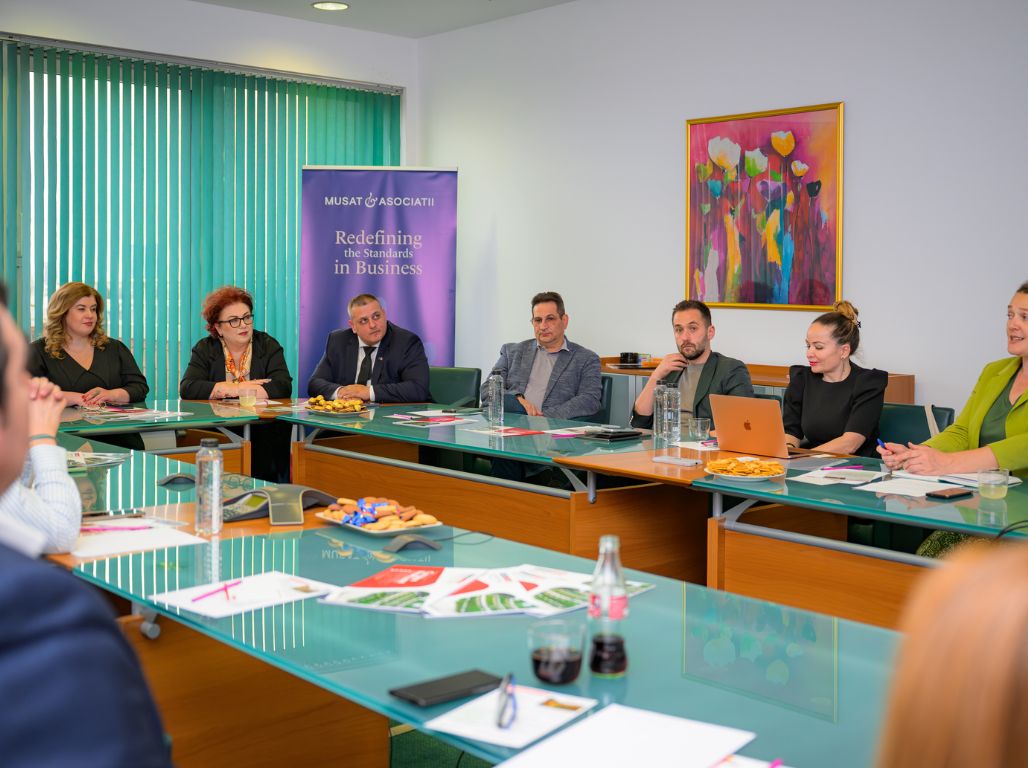
After 15 years of organic growth, the BookLand Association is accelerating the development of its first Pre-University Professional Dual Campus in the Argeș village of Vulturești, a unique educational project in a rural setting, through the establishment of an Advisory Board. Composed of leaders with experience in business & entrepreneurship, diplomacy, education, technology, media, creative industries, and the non-profit sector, the board brings a comprehensive perspective, from technical skills relevant to the labor market to personal development and career guidance. Its mission is clear: to provide practical solutions and strategic directions to support dual vocational education and make quality education accessible in rural areas. A model that combines theoretical and practical training (both “book knowledge” and hands-on skills), the Campus addresses systemic challenges: social inequality, lack of real skills, limited opportunities for rural youth, recruitment difficulties, and workforce integration.
The Advisory Board includes Adrian Stanciu, Magor Csibi, Andrei Roșu, Felix Tătaru, Dragoș Lucian Dinu, Mariana Constantinescu-Brădescu, Marian Șeitan, Alexandru Dinu, George Butunoiu, Corina Neagu, Elena Ungureanu, Sorin Soroceanu, Emil Hurezeanu, Sorin Pâslaru, Hanaan Yaseen, Claudia Puiu-Barraud, and Alexandru Chirilă. The first meeting took place in March 2026 at the offices of Mușat & Asociații Law Firm in Bucharest, with Mr. Mihai Popa, Deputy Managing Partner, present.
An Education System Losing Direction
In Romania, one of the structural problems in education is irrelevance. Students spend years in school without understanding how the theoretical concepts they learn in the classroom connect to real life or their future careers. This disconnect has long-term effects, contributing directly to school dropout and absenteeism, as well as entering the labor market without real skills.
At the same time, the system almost completely ignores the development of essential adult life skills. In an increasingly complex economic context, this educational problem has direct consequences: an uneducated adult cannot make informed decisions or build a stable future. In a country where 45% of the population cannot cover a financial emergency and nearly 10% cannot handle an unexpected expense of 500 lei, the education system reveals its deficiencies.
Discussing the reality observed both in studies and on the ground, including schools involved in financial education projects, Alexandru Chirilă, CEO of Profit Point and financial education trainer, stated: “There is no space for financial education in schools. It’s a vicious cycle, and unfortunately, current generations will leave school unprepared. We see 10th or 11th graders unable to calculate simple things like compound interest, even when they have money in hand. The trajectory toward financial failure is almost certain.”
Rural Education Is Not Competitive
Romania has managed to build a competitive business environment connected to the global economy. However, social infrastructure, especially education, has not developed at the same pace. This discrepancy is especially visible in rural areas. While in large cities students may learn in three shifts due to lack of space, in village schools, classes are small with simultaneous teaching, limited access to adequate educational conditions, no extracurricular activities, or insufficiently trained teachers.
“There is a disparity: business is at a good level, but social infrastructure is far behind. If you go into a school, you immediately see the difference. And if we look at countries where the average knowledge is higher than ours, we see that there has been real and consistent investment in education there,” said Sorin Pâslaru, Editor-in-Chief of Ziarul Financiar.
Gaps between urban and rural schools form early and continue to grow, leaving rural children at a significant disadvantage. This initial difference later turns into economic and social inequality, perpetuating cycles of poverty and limiting social mobility. “In rural areas, the solution is a strong campus that attracts children from a 30–50 km radius: you bring them to school and place them in a context that elevates them. For one generation, this means progress. In other countries, children go to school at 9 am and leave at 6 pm, with access to sports, arts, and extracurricular activities in an environment that constantly develops them,” added Sorin Pâslaru.
Although there are targeted reform initiatives, the education system remains difficult to adapt to current needs, and chronic underfunding continues to be a sensitive issue. Hanaan Yaseen, Strategy and Sustainability Manager at PRO TV, an expert in business strategy, governance, and corporate responsibility, stated: “Systemic reform is needed to encourage critical and analytical thinking. This is a direction in which I believe resources should be increasingly allocated, considering the gap with European countries with the best education systems. To minimize disparities, I believe education should receive over 6% of GDP, not under 3% as it currently does.”
Current Education Does Not Prepare Students for Reality
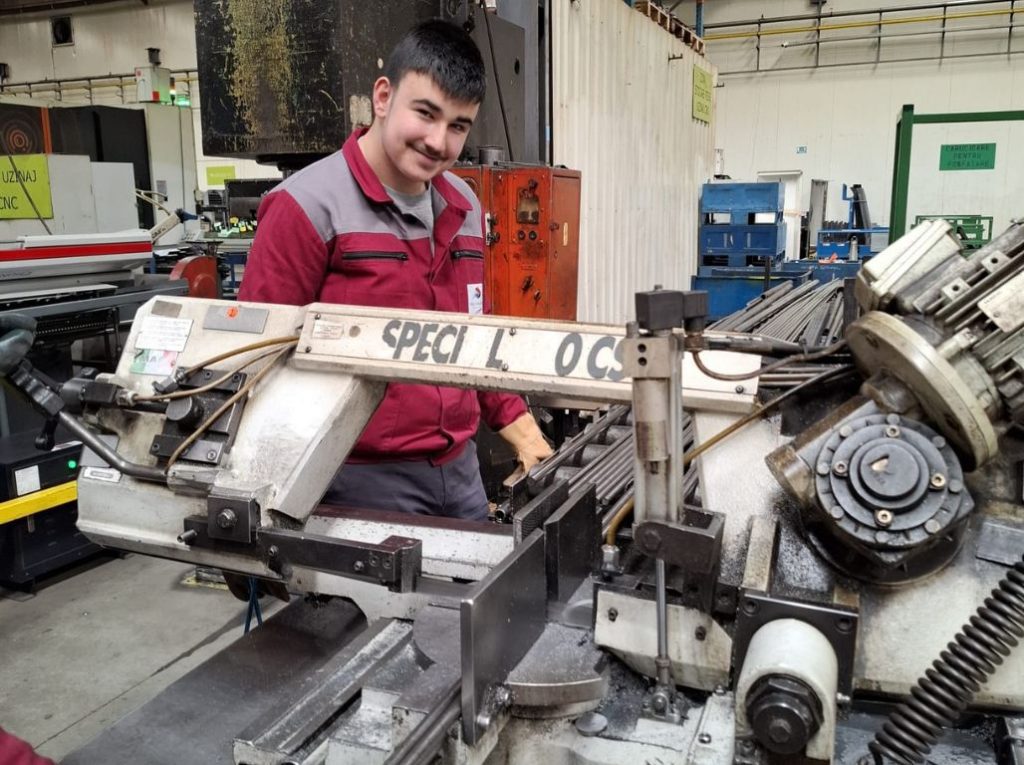
Beyond infrastructure, the main issue remains how students are trained. The current system continues to prioritize knowledge accumulation over developing skills relevant for life and the labor market. Many young people make career choices based on external pressures, not on their skills or interests. Corina Neagu, entrepreneur & founder of DARE, trainer and career advisor, said: “Many young people choose influenced by parents or peers, without real guidance. This leads to frustration, demotivation, questions about professional direction, and burnout.”
And what options do young people consider when choosing a profession? Speaking about the new generations entering the labor market, Mariana Constantinescu-Brădescu, entrepreneur & co-founder of Piatra Online, notes a lack of interest in blue-collar jobs, even though they are well-paid: “We need a new workforce, but there is no interest in construction work, for example. These jobs are attractive, including economically. Mindset change through education must be thorough.”
Meanwhile, on the labor market, the relationship between employees and employers is becoming increasingly strained. Without real skills and clear understanding of professional roles, workplace integration is challenging, and expectations are often unrealistic on both sides. “Employees and employers no longer understand each other at all. In 35 years of work, I’ve never seen such tension, such hostility… Nothing healthy can come from a relationship built on distrust,” said George Butunoiu, entrepreneur, recruitment industry expert, and founder of Romania’s first executive search firm.
An important perspective and example of best practices was shared by education and communication entrepreneur Felix Tătaru, President of the Institute for Visionary Cities, who has analyzed Romania’s most successful cities: “The social valuation or revaluation of trades makes a difference for community performance. And separating paths is important: are you suited for theoretical or practical/professional training? Then go to a vocational high school. There’s no shame in that.”
BookLand Campus: An Alternative Educational Model Built from Scratch
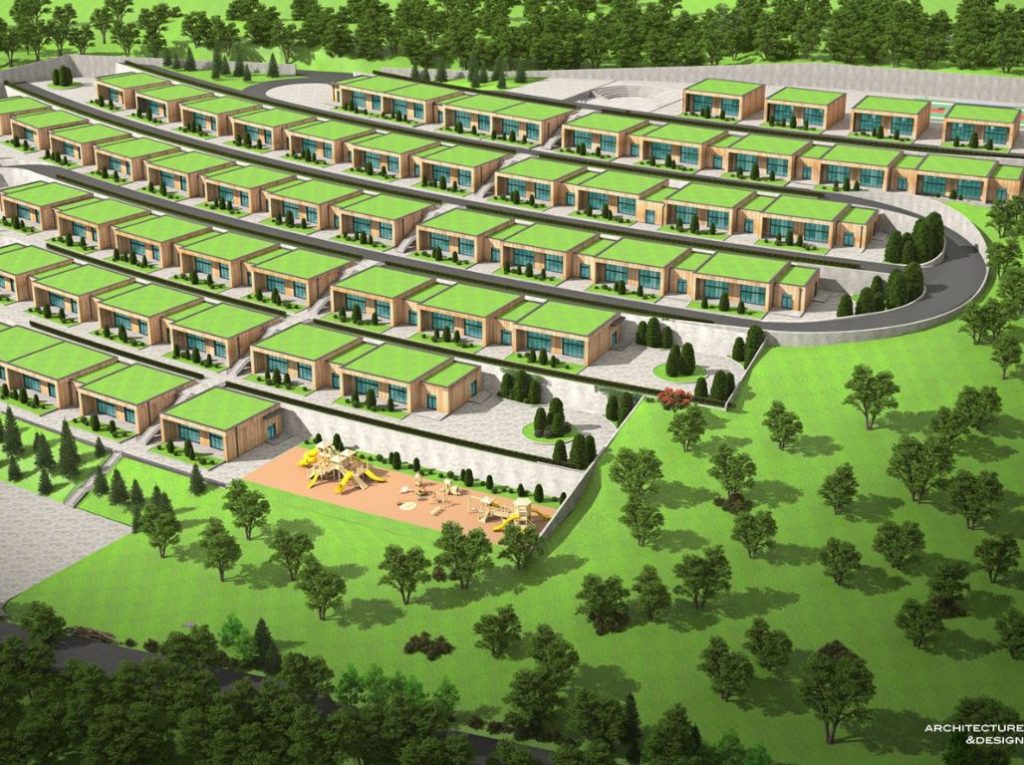
BookLand Campus is designed as a complete educational ecosystem, integrating formal education with practical experience and personal development. A private “super-school” built in a rural area, with zero tuition for students, the Campus constantly exposes children to relevant learning contexts. Everything is provided free: daily transport, two meals a day, uniforms, textbooks, school supplies, afterschool programs, and numerous extracurricular activities. Additionally, dual-track students receive professional scholarships of 1,000 lei/month, and high performers are encouraged to continue to university.
The model combines modern infrastructure with dual education, offering both theoretical knowledge and practical experience. Students gain concrete understanding of how different fields work and develop applicable skills. The Campus also provides teachers who follow the official curriculum, enriched with extracurricular activities, giving students the chance to grow in the right direction. Students are trained for certifications requested by local businesses, with nine companies already joining as dual-education partners.
BookLand Campus, whose construction began in September 2024 and will continue until 2028, spans 72,000 sqm and will include over 50 buildings at completion: classrooms, modern laboratories, workshops, library, auditorium, sports fields, relaxation areas, cafeteria, café, bakery, laundry, barber shop, mini-animal farm, orchard, greenhouse, and vegetable garden. The campus partially opened in 2025, with the first 10 buildings ready to host preparatory, 5th-grade, and 9th-grade students (theoretical or dual-professional tracks). Over 1,000 students will study there at full capacity. The investment so far exceeds €7 million, 99% contributed by the private business sector, with hundreds of companies sponsoring money, products, or services, and 1% from individuals.
A Solution for Quality Rural Education
In rural areas, where access to quality education is limited, the BookLand model offers a sustainable and impactful solution. By concentrating resources in a well-organized educational space, students benefit from conditions comparable to urban areas. The concept includes modern infrastructure, well-trained teachers, and an extended educational framework where students spend more time in a safe and stimulating environment, all at no cost to their families.
“I have seen modest children and children of higher social status in Argeș villages, and parents who say they cannot help their children with school anymore. This creates a vicious cycle. BookLand solves this: an integrated system. Plus, when students wear uniforms, there is no fear or shame to answer at the board because you don’t have branded shoes or only have one pair of trousers,” said Elena Ungureanu, psychologist and psychotherapist, Vice President of the Romanian Federation of Psychotherapy.
The impact of such interventions is quickly visible in communities. Magor Csibi, partner and expert in leadership and organizational culture at Trend Consult, explained: “I’ve seen the impact education projects can have, especially in rural areas and where needs are greatest. Many children drop out because they have no way to get to school or nothing to eat. And when parents stop children from attending, it’s not out of malice, but because they see greater need at home, due to not understanding the usefulness of school. So, parents must also be engaged.”
Mihai Popa, Deputy Managing Partner at Mușat & Asociații Law Firm, believes that “an integrated society with aspirations for continuous development, ideologically, can only exist on a solid educational foundation built responsibly and persistently.”
BookLand aims to shift focus from simple information transmission to professional training and personal development, making education a factor of stability and progress: “School doesn’t just prepare you for a job; it prepares you to be a complete person. I believe in the power of TOGETHER. Education starts at home and continues in class. That’s why we need competent and well-prepared teachers for the times ahead,” added Corina Neagu.
Real Change Starts with Young Generations
The Board members agree that real change can only come through young generations, trained in a system that prepares them better for the labor market and a fulfilling life, “beyond strategies that work only on paper, programs written but without real sense or value, leaving you unprepared for the labor market,” as Mariana Constantinescu-Brădescu notes. Her personal experience motivated her to fix what didn’t work for her: “I was disappointed by the traditional education system. That’s why, when the time came, I decided to offer my children an alternative, private model.”
This reality highlights the need for educational models that respond directly to current needs and intervene early in student development. It is much easier to teach the young than to change the grown-ups. “Everything starts with people and education,” says Alexandru Dinu, entrepreneur and co-founder of The Markers. “Young people can be shaped much more easily. Non-formal education adds a huge plus: soft skills that help more than we think. Through daily practice, children develop attitudes, aptitudes, and behaviors that will help them in life.”
This change requires not just knowledge accumulation—a pillar where, at least theoretically, the education system should have good results—but also the development of healthy habits and mindsets, with respect for work, supporting long-term growth. Andrei Roșu, entrepreneur, founder of FILGUD, and endurance athlete: “From a toy to a profession, from an inspiring message to the right moment, you plant a seed. That’s the importance of education: to be a guiding light, to establish values you grow with, helping you find your way. Remember: we are the average of the five people we interact with most.”
At the same time, performance in education and how it is encouraged must be redefined. “We need to move the discussion toward healthy competition, competition with yourself. Nowadays, some children achieve performance, but the percentage isn’t high enough, and here we need to get involved, because through such projects we can make a difference,” said Sorin Soroceanu, Marketing-Sales-Commercial Manager at Agrana Romania, long-time partner of BookLand Association.
In a context where the traditional education system can no longer keep up with economic and social changes, the solution is to create new, functional, and replicable models. The BookLand Professional Campus is a different model for encouraging education in rural areas, adapted to current rural needs, and having proven its usefulness, it can be scaled and successfully implemented in other counties.
The BookLand Campus model proves that quality education in rural areas is possible through collaboration between the private sector and experts from various fields. Investing in young people and their practical and personal development can be the key to reducing disparities and building a sustainable society.

 UK
UK
 IT
IT
 ES
ES
 DE
DE
 FR
FR
 RO
RO
 PT
PT
 HU
HU


