


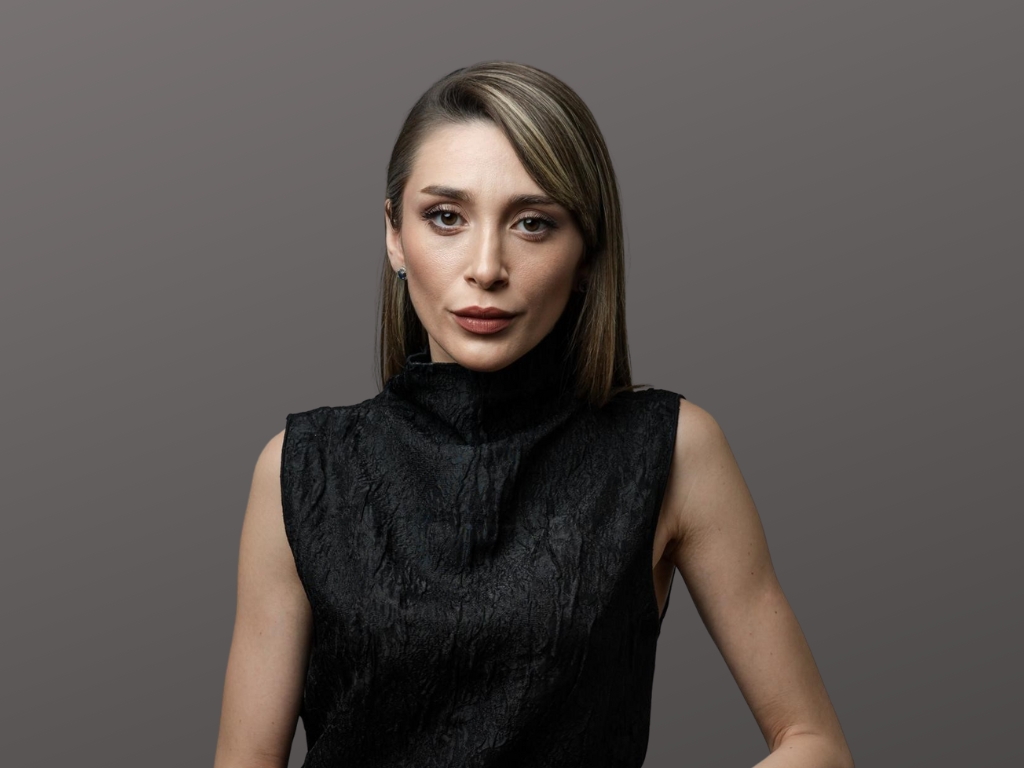
Alice Voica, Senior Consultant, discovered her true vocation in cultural change and organizational development projects after a long career in HR. In recent years, she has realized that she can make a significant impact through her ability to generate profound changes and build sustainable structures. One of the biggest challenges she faced was creating a strong partnership between HR and operations, a process in which transparency and collaboration were essential for mutual success. The values guiding her work are total transparency, mutual respect, and trust – without these, any collaboration is incomplete. Alice advocates for a people management model based on openness, creativity, and creating a safe environment conducive to innovation. For employees to actively contribute to the evolution of the business, they should feel that they can support their ideas without fear.
C&B: You have extensive experience in HR, but you discovered your true vocation in cultural change and organizational development projects. What led you to make this transition, and what brings you the greatest satisfaction in this field?
Alice Voica: What prompted me to make this transition was the conviction that the sustainable success of an organization is achievable when its culture is aligned with the values and aspirations of its employees. Whether it’s about developing leadership, improving collaboration between teams, or optimizing feedback and communication processes, each project represents an opportunity to transform the organizational culture into a people-centered one.
I feel the greatest satisfaction when I see the tangible results of these efforts: leaders who successfully inspire and coordinate their teams, employees who find their motivation and clarity in objectives, and teams that collaborate more efficiently and with greater trust. These moments of transformation, both individually and collectively, confirm to me that cultural change can influence not only immediate performance but also the sustainability of organizational success in the long term.
Innovation in this field lies in the ability to integrate authenticity into the organizational strategy and to create an environment where each employee feels part of a broader vision. It’s not just about implementing processes or achieving performance indicators but about building a work experience that positively transforms people’s professional lives and, implicitly, the success of the organization.
C&B: You mentioned that one of the biggest challenges you encountered was creating a solid partnership between HR and operations. How did you manage to implement transparency and collaboration in this process to achieve mutual success?
Alice Voica: I understood that mutual success depends on creating a framework for collaboration based on transparency, trust, and common goals. The first step was to ensure open and constant communication between teams. I organized regular meetings between HR and operations, where each department could present its needs, challenges, and objectives. This was essential for developing a mutual understanding of each department’s roles and demonstrating that both contribute to achieving the organization’s goals.
I emphasized creating a safe space where feedback was encouraged and listened to, so that both teams felt involved in the decision-making process. To implement transparency, I introduced clear reporting processes and measurable objectives visible to both HR and operations. This allowed for better progress monitoring and encouraged accountability at all levels.
The success of these actions was reflected in increased employee engagement and satisfaction, improved team performance, and better alignment of strategic objectives between the two departments. I firmly believe that transparency, communication, and authentic partnership were essential for this mutual success.
C&B: Total transparency, mutual respect, and trust are essential values for you. How do you apply these principles in the organizational development projects you lead?
Alice Voica: For any change initiative to succeed, people need to feel involved, heard, and respected. These values are essential for creating a healthy and collaborative work environment where all team members feel encouraged to contribute to mutual success.
To apply transparency, I ensure that all project objectives and steps are communicated clearly and accessibly to everyone involved. Each stage is discussed openly, and expectations are aligned from the beginning. For example, I have implemented reporting systems and constant feedback so that all employees know how the project is progressing and how they can actively contribute.
Trust is built through consistency and accountability. By giving teams autonomy and trust in their decisions, I show them that I believe in their competencies. This, in turn, motivates them to be more engaged and proactive.
By applying these principles – transparency, respect, and trust – we can strengthen an environment where employees feel connected, valued, and motivated to contribute to long-term success.
C&B: You advocate for a people management model based on openness and creativity. How do you create an environment where employees feel safe to innovate and support their ideas without fear of negative consequences?
Alice Voica: It is essential to build a culture where psychological safety is prioritized, and mistakes are seen as learning opportunities, not failures. The first step is to demonstrate, through personal example, openness to new ideas and to show that feedback, regardless of its nature, is welcome. In all the teams I have worked with, I have encouraged open and constructive communication, where everyone knows they have a place at the discussion table.
To support a safe environment for innovation, I have always promoted a collaborative leadership model, where leaders are not just managers but mentors. They need to be accessible and provide active support to the team, thus creating a climate of trust.
By being open to new ideas, supporting leaders, and fostering a culture of recognition and continuous learning, I create an environment where employees feel safe to innovate and express their ideas without fear of negative consequences.
C&B: How do you see the evolution of cultural change and organizational development projects in the future? What are the major trends and challenges organizations will have to face?
Alice Voica: In the future, cultural change and organizational development projects will be much more closely linked to technology and digitization, but at the same time, there will be a greater need to keep the human component and authenticity at the center of these transformations. One of the major trends will be the adoption of a hybrid working model, which brings new challenges related to team collaboration and maintaining a coherent organizational culture, even under remote working conditions.
Moreover, we are talking about a generation of employees who seek much more from their workplace than financial stability. They are looking for purpose, belonging, and an environment that offers them opportunities for continuous personal and professional development. Thus, organizations will need to invest much more in well-being programs, soft skills development, and creating a genuine sense of belonging.
One of the biggest challenges will be to maintain the balance between adopting new technologies and digitizing processes without losing sight of the human essence of the organization. Technology can enormously support organizational development processes, but it is crucial not to forget that, ultimately, it is people who bring an organization to life. In the context of this technological acceleration, leadership will need to reinvent itself to remain connected to the real needs of employees and to build a culture that adapts to changing dynamics.
In addition to these trends, I believe that sustainability and social responsibility will become essential points in the development strategy of organizations. Employees will seek to work for companies that actively take on a role in improving communities and the environment. Therefore, the success of organizations will increasingly depend on their ability to align with these new values and integrate them into their operations.
C&B: How do you maintain your motivation and energy in the field of organizational change, which can sometimes be complex and demanding?
Alice Voica: Maintaining motivation comes primarily from the impact I see in my work. Each cultural change or organizational development project brings a unique opportunity to make a difference, and when I see the positive effects on employees and the organization, it provides immense satisfaction.
I also draw energy from collaborating with the teams and leaders I work with. I enjoy creating authentic connections, continuously learning from diverse perspectives, and seeing how the solutions we contribute to together come to life. Additionally, I am very passionate about innovation and strive to bring something new to each project, whether it’s a different method of collaboration, an optimized process, or a creative approach that can yield unexpected results.
Moreover, I believe it’s essential to cultivate a personal balance. I make sure to dedicate time to activities that relax and inspire me, whether it’s reading, spending time in nature, or moments spent with loved ones. These provide me with the energy and clarity I need to navigate daily challenges and remain engaged in what I do.
C&B: What advice would you give to those who want to build a career in cultural change and organizational development?
Alice Voica: First of all, I would tell them to be open to continuous learning. The field of cultural change and organizational development is dynamic, and to succeed, you must always stay updated on new trends, theories, and tools that can support change. Be curious, explore, and learn from every experience, even from the challenges you face.
Secondly, invest in developing interpersonal skills. Empathy, active listening, and the ability to build trusting relationships are essential for success in this field. You cannot facilitate authentic cultural change without understanding the people in the organization and being able to communicate effectively with them.
You also need perseverance and patience. Cultural and organizational changes do not happen overnight, and sometimes the results may be harder to measure immediately. Be consistent and believe in the process – the impact will become evident in the long run.
Finally, do not forget to focus on your own authenticity. Authentic change comes from within, and if you bring your values and passion into the work you do, you will be able to inspire those around you to do the same. Build your career around the things that truly matter to you, and do not try to copy pre-made recipes for success. Your authenticity will always be your greatest asset.
C&B: You have shared many valuable insights about cultural change and authentic leadership. In conclusion, what is your long-term vision for organizations that want to become more people-centered and agile? How do you think the future of work will look?
Alice Voica: I believe the future of work will be defined by organizations that understand that their success depends on people and how they feel connected to the company’s vision and values. Increasingly, organizations will need to emphasize flexibility, creating an inclusive work environment, and constant adaptability. The pandemic has clearly shown us how important it is to be able to adapt quickly to unexpected changes, and this lesson will remain essential in the coming years.
In the long run, I see organizations adopting much more collaborative and democratic leadership models, where decisions are no longer centralized but involve all levels of the organization. This will not only allow for better adaptation to market and employee needs but will also create a deeper sense of belonging and commitment from teams.
At the same time, organizational culture will need to be one that promotes continuous learning and personal development. In a rapidly evolving world, employees will seek jobs that offer not only financial stability but also opportunities for professional and personal growth. Organizations that invest in the development of their employees – both in technical skills and soft skills – will be the ones that succeed in the long run.
Additionally, sustainability will play an increasingly significant role in the strategies of organizations. Employees, especially younger generations, are much more aware of the social and ecological impact of the companies they work for. Organizations that can integrate sustainable and responsible practices into their culture will attract not only talent but also partners and clients who share the same values.
In conclusion, I see the future of work as being defined by a balance between technology and the human factor. Automation and artificial intelligence will play an important role in streamlining processes, but organizations that will succeed will be those that know how to combine these technological innovations with a strong organizational culture based on collaboration, respect, and transparency. People will remain at the center of organizational success, and companies that can blend innovation with care for people will be the ones to thrive in the future.

 UK
UK
 IT
IT
 ES
ES
 DE
DE
 FR
FR
 RO
RO
 PT
PT
 HU
HU


