


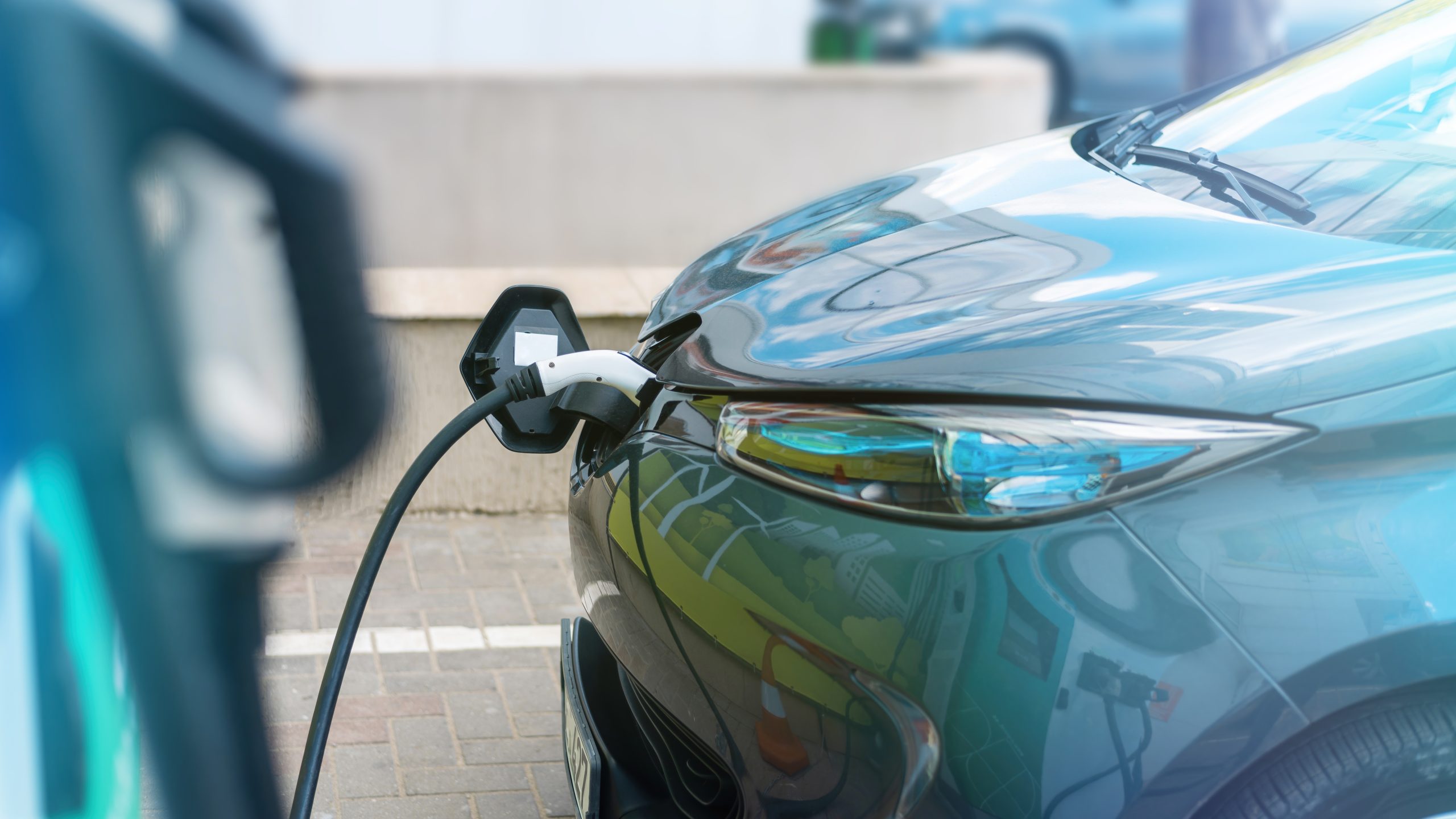
The European Commission has approved €4.6 billion in funding for Germany under the Recovery and Resilience Facility (RRF), aimed at accelerating electric mobility and green transition investments, according to Electrive and Economedia.
Key measures include support for nearly 400,000 electric vehicles and the installation of over 2,500 public charging stations.
Progress under the recovery plan
Read also: Tesla posts modest gains across selected European markets
The funding is part of the NextGenerationEU program, launched in 2021 with a total budget of €750 billion to support post-pandemic recovery.
Its core instrument, the Recovery and Resilience Facility (RRF), totals €672.5 billion and runs until 2026.
Germany has been allocated €30.3 billion, of which €19.8 billion has already been disbursed. With this latest approval, the total reaches €24.4 billion, or about 80% of its allocation.
Payment subject to final approval
The disbursement is not yet final. The preliminary assessment has been sent to the Economic and Financial Committee (EFC), which has four weeks to issue its opinion.
The payment will be completed after the final decision by the European Commission.
Investments in mobility and energy efficiency
Funds will support projects focused on climate action and digitalization, including energy-efficient renovation of over 155,000 buildings.
In the electric mobility sector, the Commission estimates that the total number of subsidized vehicles under Germany’s plan will reach nearly 1 million units.
However, details regarding the specific scheme for the 400,000 vehicles remain unclear. It is likely linked to a planned incentive program for low- and middle-income households, funded with around €3 billion.
Implementation deadline
Under RRF rules, all milestones must be completed by August 31, 2026, with final payment requests due by end of September 2026.
Photo: freepik.com

 UK
UK
 IT
IT
 ES
ES
 DE
DE
 FR
FR
 RO
RO
 PT
PT
 HU
HU


