


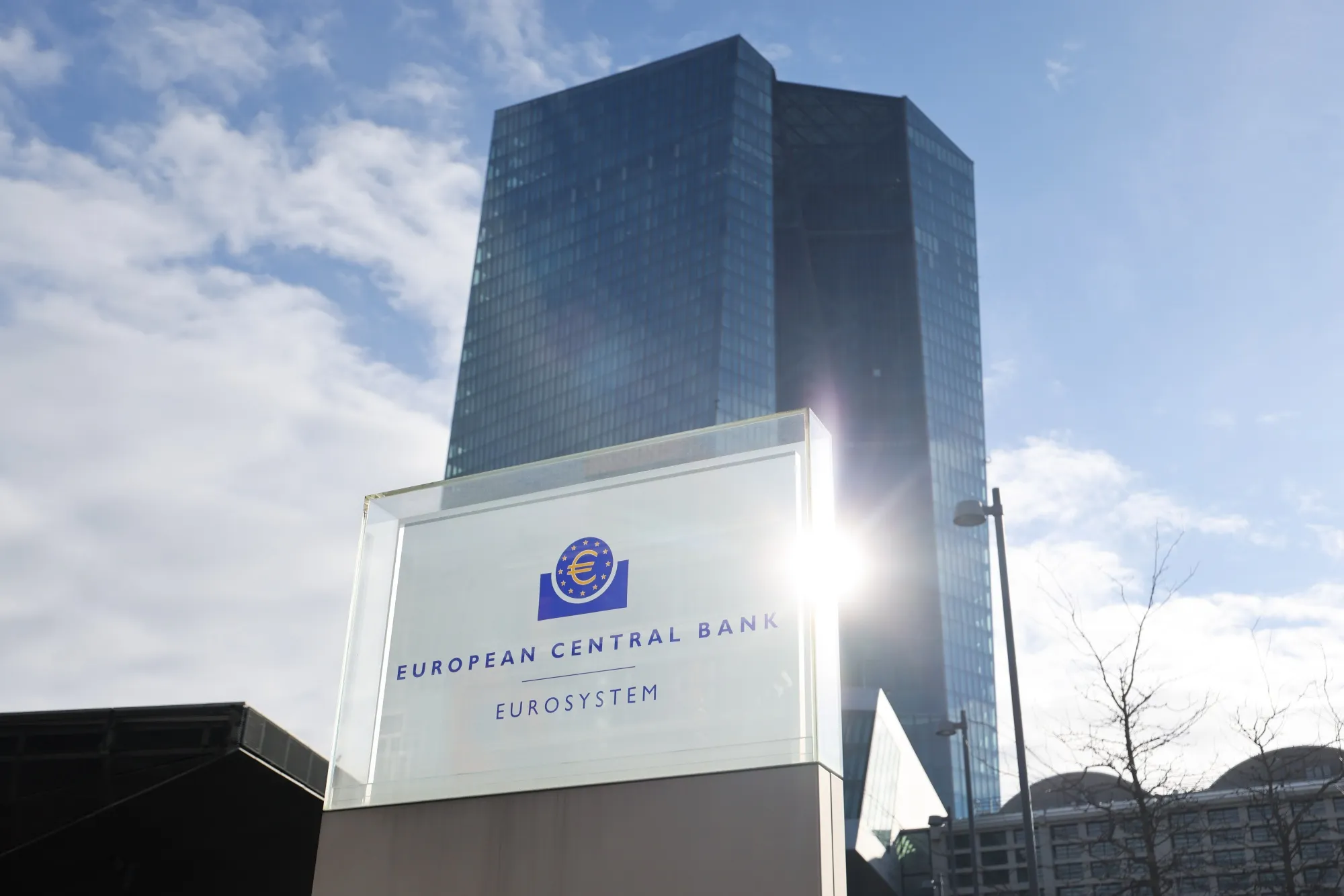
A new safety backstop prepared by the European Central Bank is part of the European Union’s strategy to strengthen its global economic and political influence, according to an analysis by Reuters, cited by Agerpres. The initiative aims to give central banks outside the euro area easier access to emergency funding in euros during periods of financial stress.
Easier euro liquidity access supports Europe’s global ambitions
The move is designed to reinforce incentives to use the single currency at a time of growing competition with the United States and China. It also aligns with ECB President Christine Lagarde’s efforts to capitalise on what she has called the “global moment for the euro”, as unpredictable US economic policies raise questions about the dollar’s long-standing dominance.
Read also: The EU considers “Buy European” rules for strategic industries amid strong internal opposition
Economists say improved access to euro liquidity could complement EU trade agreements, including the recent deal with India, while reassuring investors that euro-denominated assets remain liquid even during market volatility.
“Offering monetary policy operations alongside free trade agreements would be smart. If we want to practise economic diplomacy, we should use the full range of tools, including what we can do with the euro,” said Ludovic Subran, chief investment officer at Allianz.
Reuters reports that the ECB is considering easing the terms of its Eurep facility, created during the pandemic. Currently available to eight countries bordering the euro area, including Romania, Hungary, Albania and Montenegro, the scheme operates under strict limits. Proposed changes include lower interest rates, standardised rules and more flexible borrowing caps.
The aim is to strengthen the euro’s role in investment, lending and international trade. However, Reuters cautions that the plan carries risks, particularly given the euro’s relatively young age, the absence of a single treasury and the legacy of the 2010 debt crisis, which continue to make the currency sensitive to external shocks.
Photo: Bloomberg

 UK
UK
 IT
IT
 ES
ES
 DE
DE
 FR
FR
 RO
RO
 PT
PT
 HU
HU


