


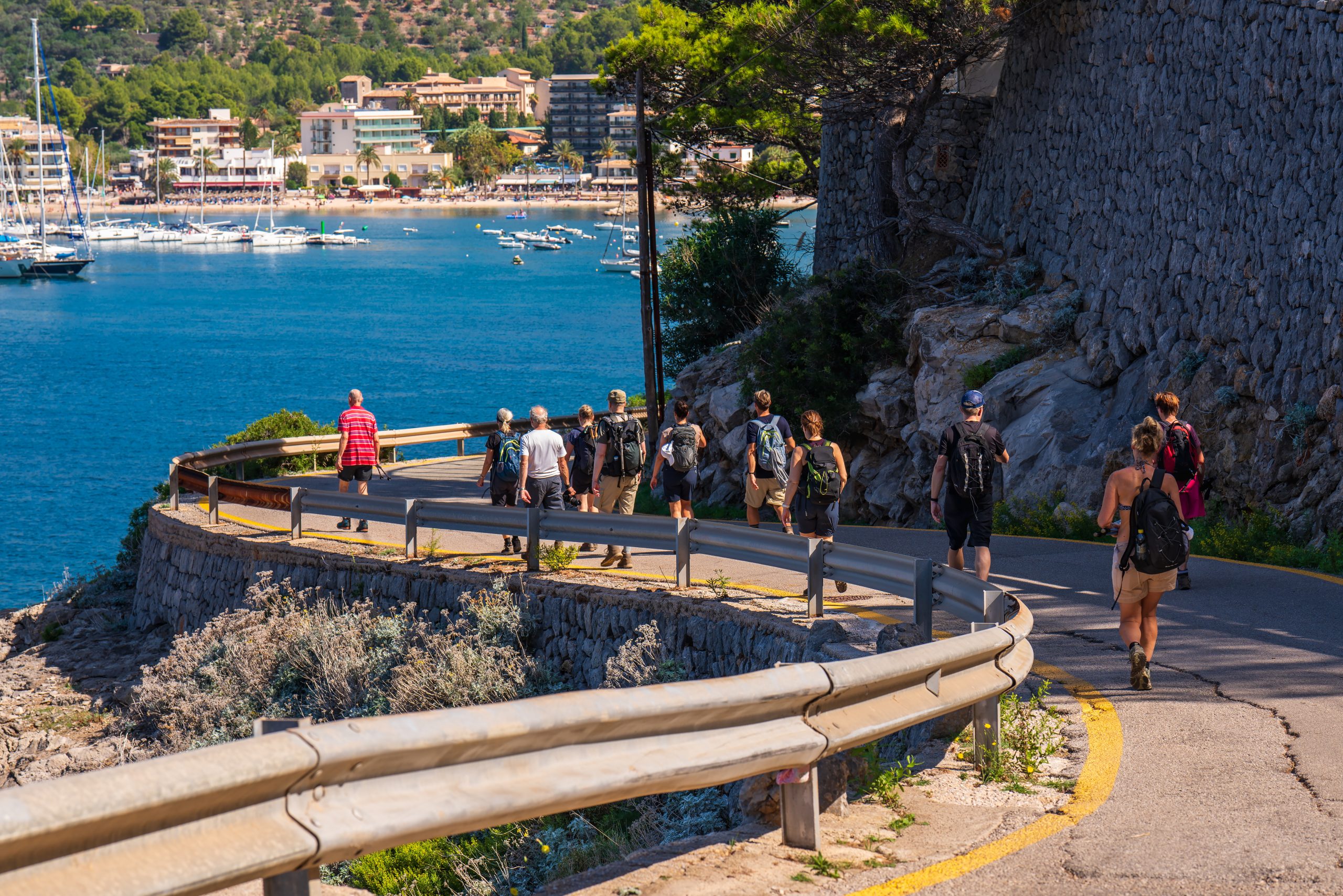
Spain is on track for another record-breaking tourism year, benefiting from growing traveler demand and a shift away from destinations affected by geopolitical tensions in the Middle East and Eastern Mediterranean, according to BBC.
The country welcomed 9.1 million international visitors in April, the highest figure ever recorded for that month and 5.2% more than a year earlier. After receiving 97 million foreign tourists in 2025, industry representatives believe Spain could surpass the 100 million visitor mark in 2026.
Security Concerns Redirect Tourist Flows
According to tourism industry leaders, ongoing tensions involving Israel, Iran and the broader Middle East have prompted many travelers to choose Spain instead of destinations such as Dubai, Turkey, Egypt or Cyprus.
Fede Fuster, president of the Benidorm tourism association, said similar patterns were observed during the Arab Spring in 2011, when instability in competing destinations redirected visitors toward Spain.
Tourism analyst Francisco Femenia-Serra from the Complutense University of Madrid noted that Spain is often viewed as a safe alternative whenever crises emerge in the eastern Mediterranean region.
At the same time, Dubai’s aviation sector has felt the impact of regional instability. Passenger traffic at Dubai International Airport reportedly fell by 66% in March as flights and bookings declined.
Economic Benefits Meet Growing Local Opposition
Tourism remains a key pillar of the Spanish economy, directly accounting for around 13% of GDP and helping the country outperform several major European economies in recent years.
However, the sector’s rapid growth has also intensified concerns among residents. Cities such as Barcelona, Valencia, as well as destinations in the Balearic and Canary Islands, have witnessed repeated protests against what critics describe as over-tourism.
Residents argue that growing tourist numbers contribute to congestion, environmental pressures and rising housing costs.
Housing activists claim that landlords increasingly adjust rents based on the purchasing power of foreign visitors rather than local incomes, making accommodation less affordable for residents.
The debate has also reached the political level. In 2025, Spanish Prime Minister Pedro Sánchez stated that the country had “too many Airbnbs and not enough homes.” Later that year, the government imposed a €65 million fine on Airbnb over the promotion of unlicensed tourist apartments.
Several local administrations have introduced restrictions on short-term rental licenses. Meanwhile, Barcelona plans to revoke licenses for approximately 10,000 tourist apartments by 2028 and increase its tourist tax for cruise passengers.
While authorities continue searching for solutions, tourism operators warn that excessive restrictions could affect competitiveness and employment. Industry representatives stress the need to rebuild trust between residents and the tourism sector as Spain prepares for another exceptionally busy summer season.
Photo: AlexFotolabs/ magnific.com

 UK
UK
 IT
IT
 ES
ES
 DE
DE
 FR
FR
 RO
RO
 PT
PT
 HU
HU


